
|
|
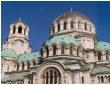
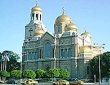
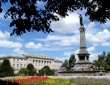
St Alexander Nevsky Cathedral, Sofia
(1912)
Largest Eastern Orthodox cathedral on the Balkan Peninsula and one of
the most lavishly adorned Orthodox churches in Europe.
|
|
|
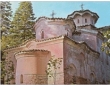
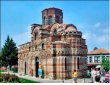
Boyana Church, Sofia (10th century)
One of the most complete and perfectly preserved monuments of
East-European medieval art. Unique Medieval frescos.
(UNESCO site)
|
|
|
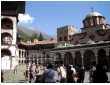
Rila Monastery
(10th century)
The largest and most famous Eastern Orthodox monastery.
(UNESCO site)
|
|
|
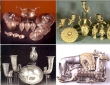
Thracian Treasures
(13th century BC and later)
Traces of the powerful and rich Thracian civilization. Magnificent
examples of beauty, they conquered the modern world.
|
|
|
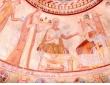
Kazanlak & Sveshtari Thracian Tombs
(3rd century BC)
Exceptional works of art, unique masterpieces of Early Hellenistic
pictorial art.
(UNESCO sites)
|
|
|
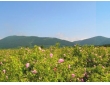
Valley of Roses
Feel the smell of Rosa Damascena in June.
The Valley of Roses is where 80% of the world`s attar of roses is
obtained.
|
|
|
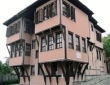
Old Plovdiv
(17th century)
An architectural museum reserve from the period of the Bulgarian
Renaissance, with over 150 houses - monuments of culture.
(UNESCO tentative list)
|
|
|
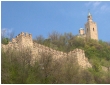
Veliko Turnovo, Tzarevets Fortress
(12th century)
Ancient travelers write about Tzarevets - the capital of the Second
Bulgarian Kingdom, as 'the second to Constantinople' in its
beauty and might.
|
|
|
Varna
An inhabited place several millennia before the Greeks established the
colony of Odessos there about 580 BC. Under the Romans and later Varna
became a major port trading with Constantinople, Venice and Dubrovnik.
Bulgaria's maritime capital.
|
|
|
Nessebar Medieval Churches
Founded by the Thracians more than 3,000 years ago, one of the oldest
towns in Europe (2c.), Nessebar is an architectural and archeological
reserve. The churches from 5-6c. and the ones dating from the medieval
period (10-14c.), which are fine works of the medieval Bulgarian and
Byzantine architecture, the 60 houses of the Bulgarian Renaissance
period, give the town unique appearance and atmosphere.
(UNESCO site)
|
|
|
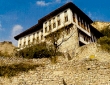
Melnik
The smallest and most romantic town in Bulgaria, with an eventful and
turbulent history, Melnik is now an architectural reserve, historical
town and monument of culture.
The nearby Rozhen monastery (9c.), is nestled in the exquisite draperies
of the Melnik sandstone 'pyramids' - a natural phenomenon and protected
site.
(UNESCO tentative list)
|
|
|
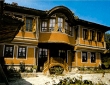
Koprivshtitsa
One of the best preserved architectural ensembles of splendid painted
houses from the Bulgarian Renaissance period.
|
|
|
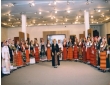
Bulgarian folk songs and dances
Bulgarian singing gives power to the voice and voice to the heart.
The Cosmic Voices from Bulgaria and the Mystery of Bulgarian
Voices are known and valued world-wide.
Bulgarian folk dances are characterised by their lively energy, grace,
uneven rhythms and exciting footwork.
|
|
|
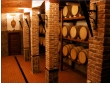
Wine-cellars
Great choice of Bulgarian wines for connoisseurs.
Winemaking has millennia years old traditions in Bulgaria - since the
times of the Thracians.
|
|
|
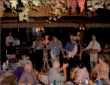
Traditional Bulgarian taverns
The typical Bulgarian taverns (mehana) and restaurants offer national
and regional traditional cuisine, excellent wines, amusing show programs
and unforgettable emotions.
|
|
|
Rousse
The largest and most picturesque Bulgarian city on the Danube river.
Established more than 1,900 years ago as the Roman fortress 'Sexaginta
Prista' (Port of the sixty ships), Rousse is Bulgaria's north gate to
Cenral & Western Europe.
|
|
|
Stara Zagora, Neolithic Dwellings
(6,000 BC)
One of the oldest settlements in Europe, the Neolithic dwellings and the
copper mine around the city are the best preserved ones.
(UNESCO tentative list)
|
|
|
Bachkovo Monastery (11 century)
The second largest in Bulgaria. Its bone-vault is a must-see building,
with unique wall-paintings, which rank among the most valuable works of
Orthodox art of the 11th-12th centuries.
(UNESCO tentative list)
|
|
|
Ivanovo Rock-cut Monasteries
(12 century)
Unique on the Ballkans, built-in-rock shrines, famous for their
beautiful and well-preserved wall paintings.
(UNESCO site)
|
|
|
Arbanassi, Church of Nativity
(16 century)
The Bulgarian church with the richest icon decoration from 16c.
The iconostasis is one of the earliest examples of woodwork in Bulgaria.
|